Mobile Design
Episcope Hospitality
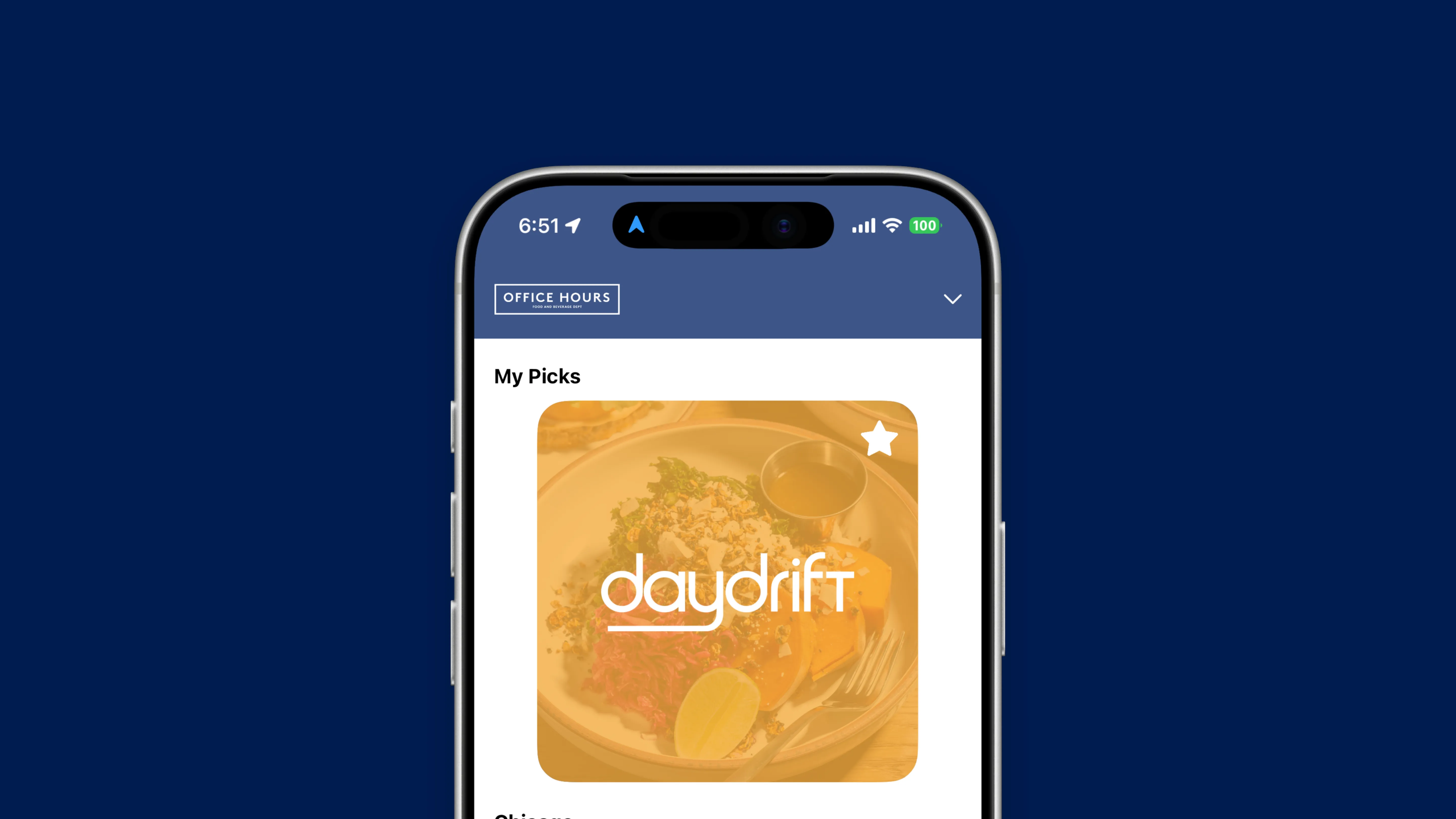
The Problem
Episcope Hospitality owns a portfolio of distinct restaurant brands under one company — Marshall's Landing, Hearsay, Keepers, Daydrift, The Exchange, The Landing, Perks, Apple & Rings, and others. Each has its own identity, its own customers, its own visual language. None of them want to feel like part of a chain.
The brief was to build one mobile app that held loyalty programs and experiences for all of them — without the app feeling like a corporate shell with restaurants slotted into it. A guest at Hearsay opening the app should feel like they're in Hearsay's app. A guest at Daydrift should feel like they're in Daydrift's. Same code, same flows, completely different experiences.
The design problem was figuring out what stays constant and what changes — and building a system flexible enough to host every existing brand and any future ones the company adds.
What I Built
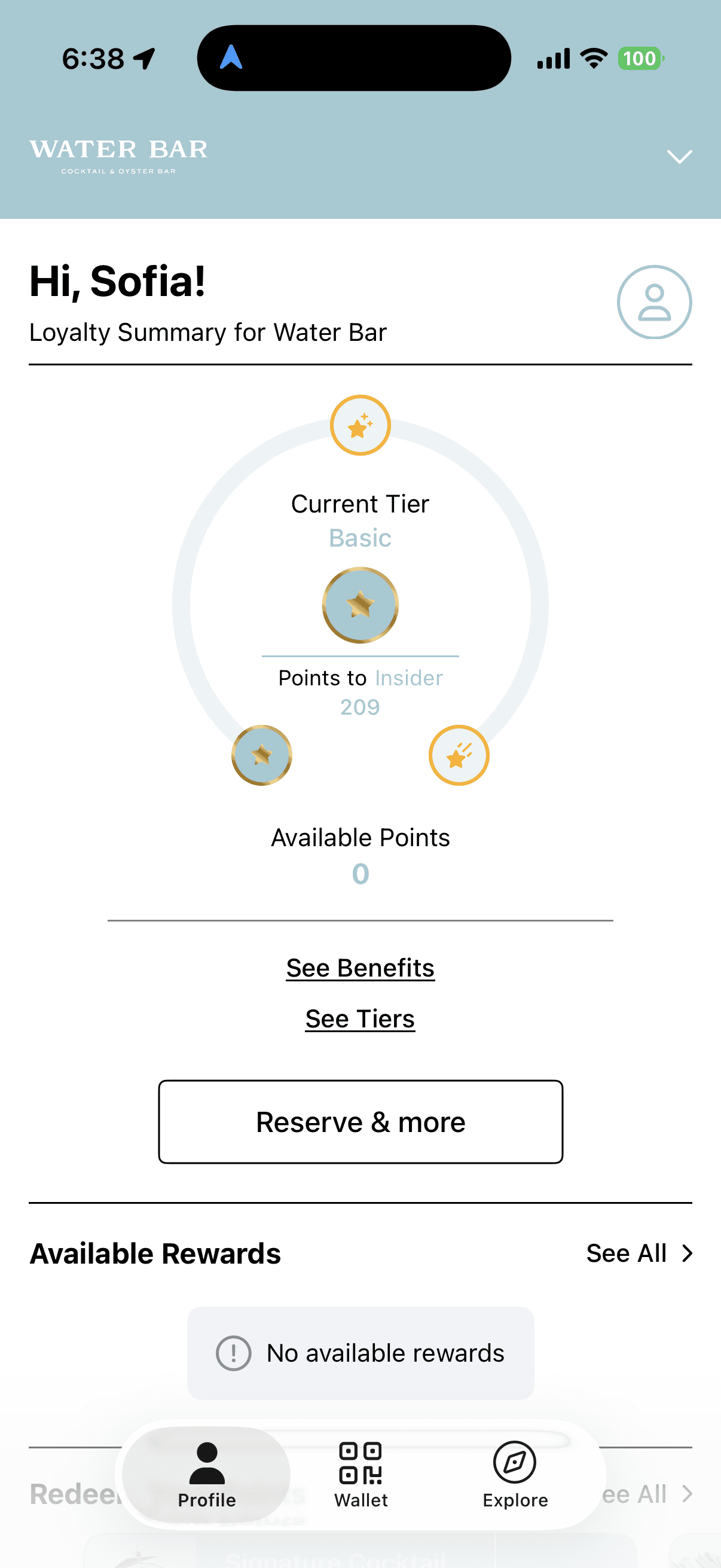
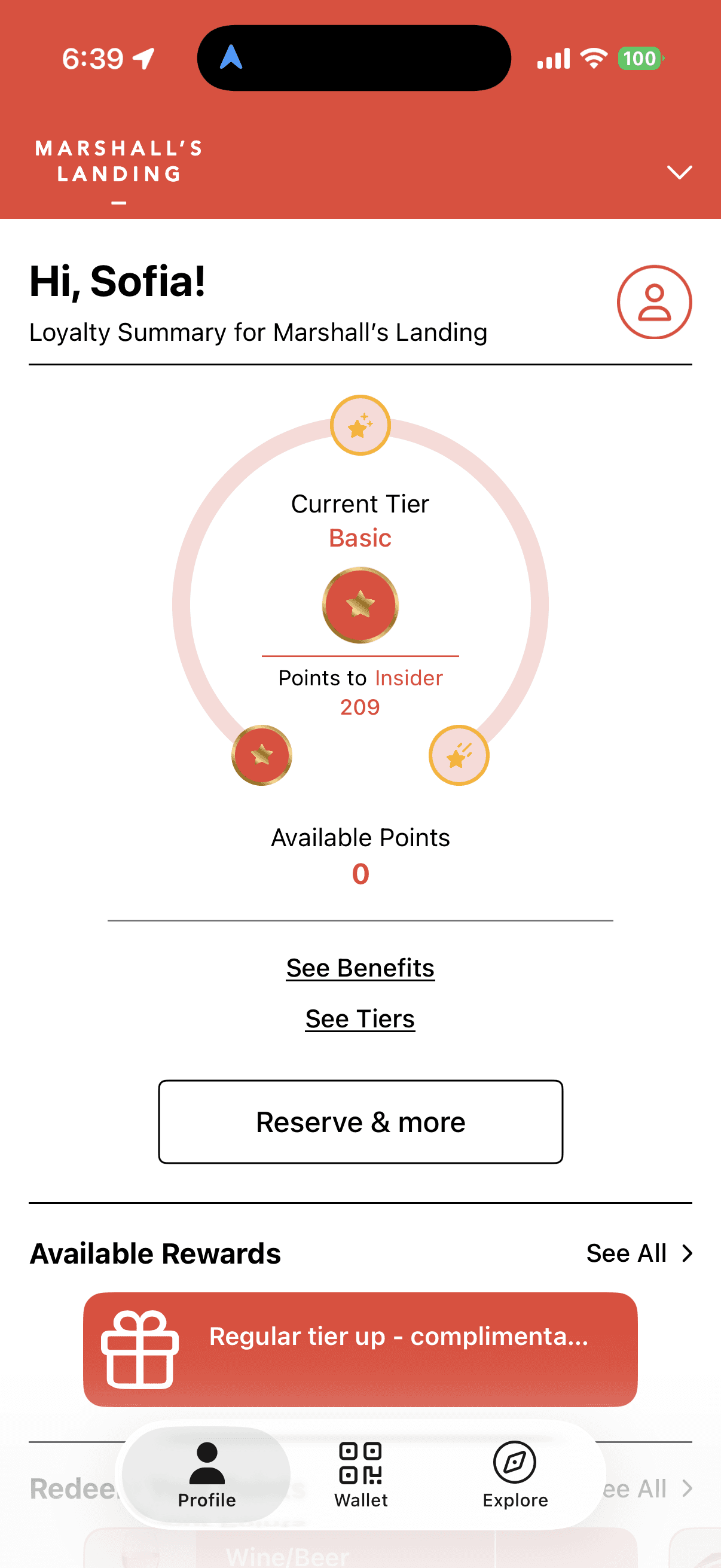
A multi-brand iOS and Android app that re-skins itself based on which restaurant is currently active. Same flows, same architecture, same loyalty mechanics underneath — but the visual identity (color, logo, photography) swaps per brand the moment a user changes context.
As the sole designer, I owned the full digital experience end to end: onboarding, brand switcher, home, restaurant detail pages, loyalty cards, points and rewards, member benefits, gift cards, settings, and the design system that holds them all together.
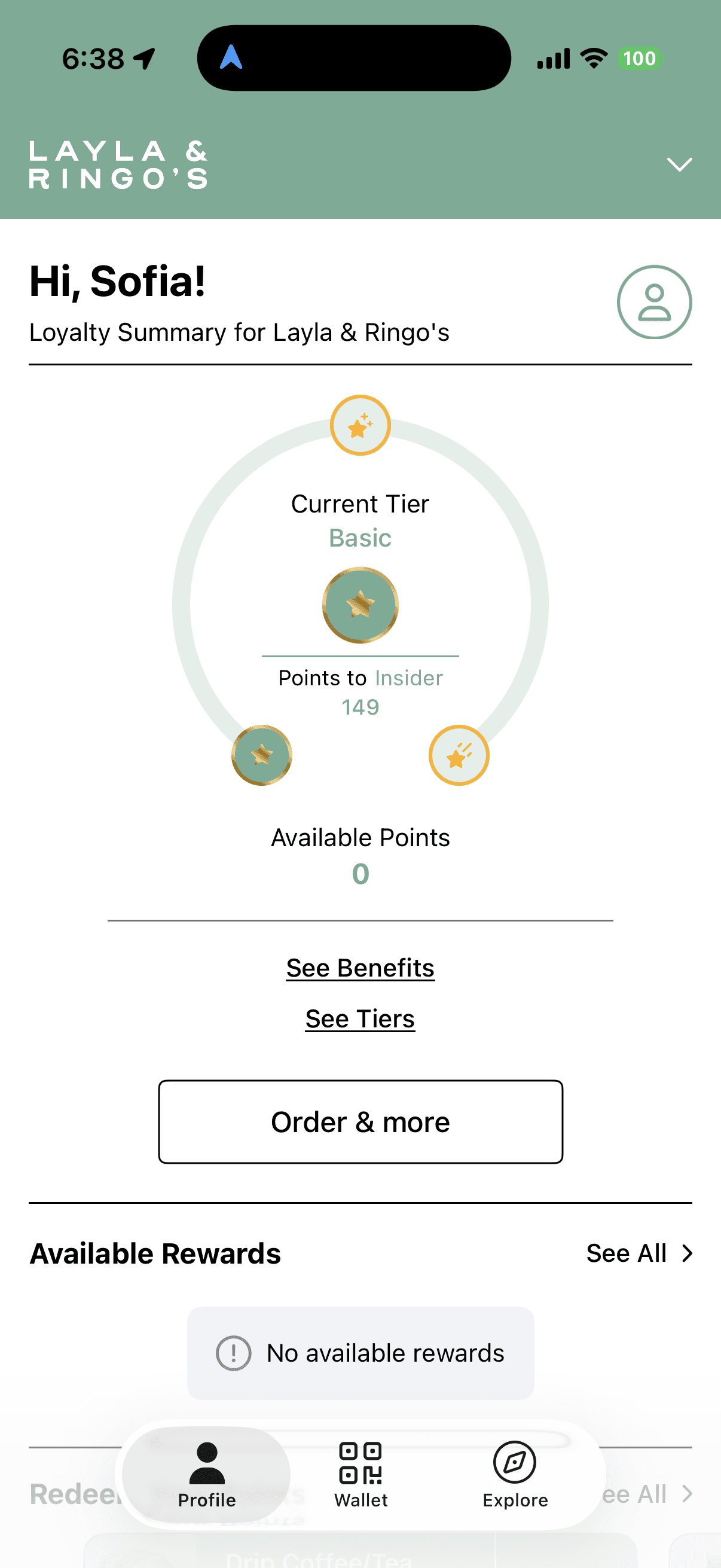
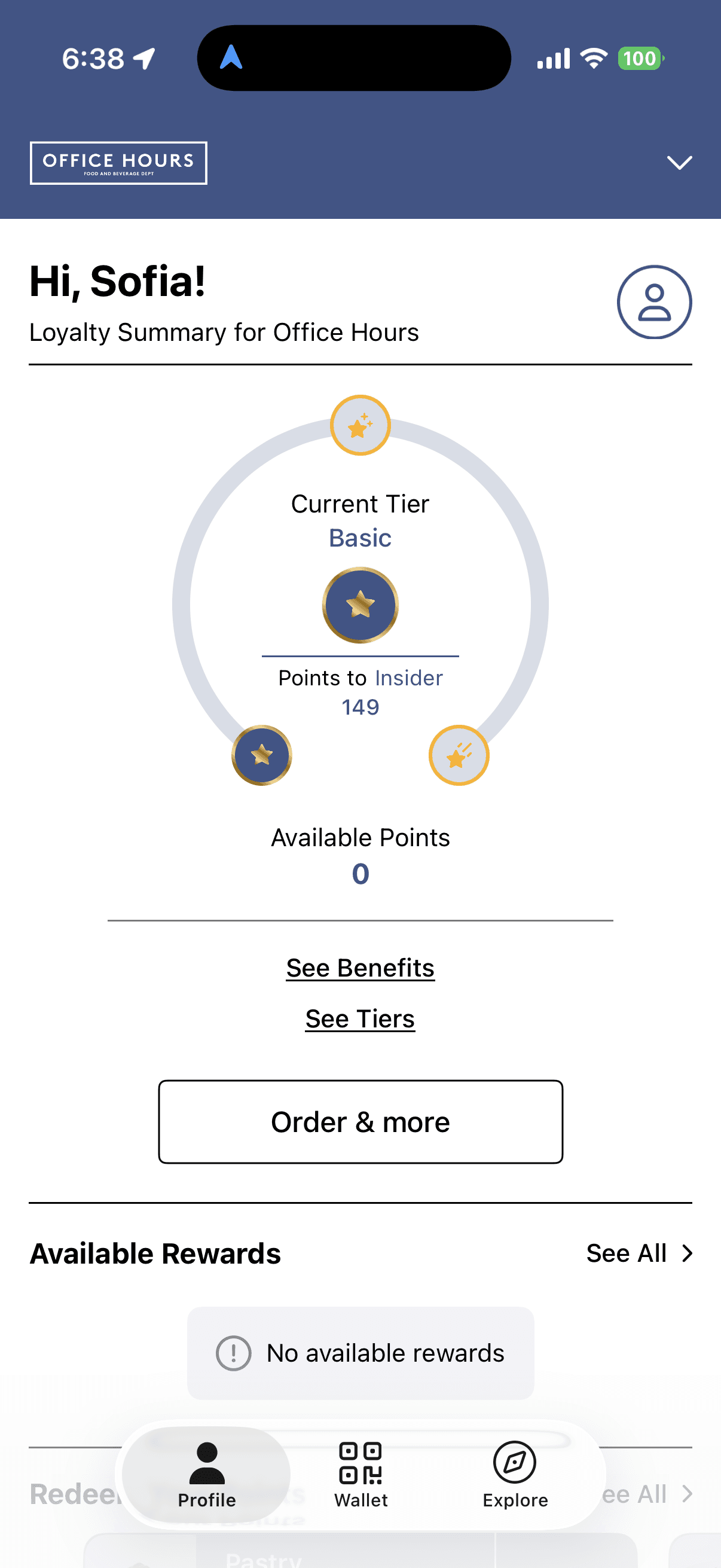
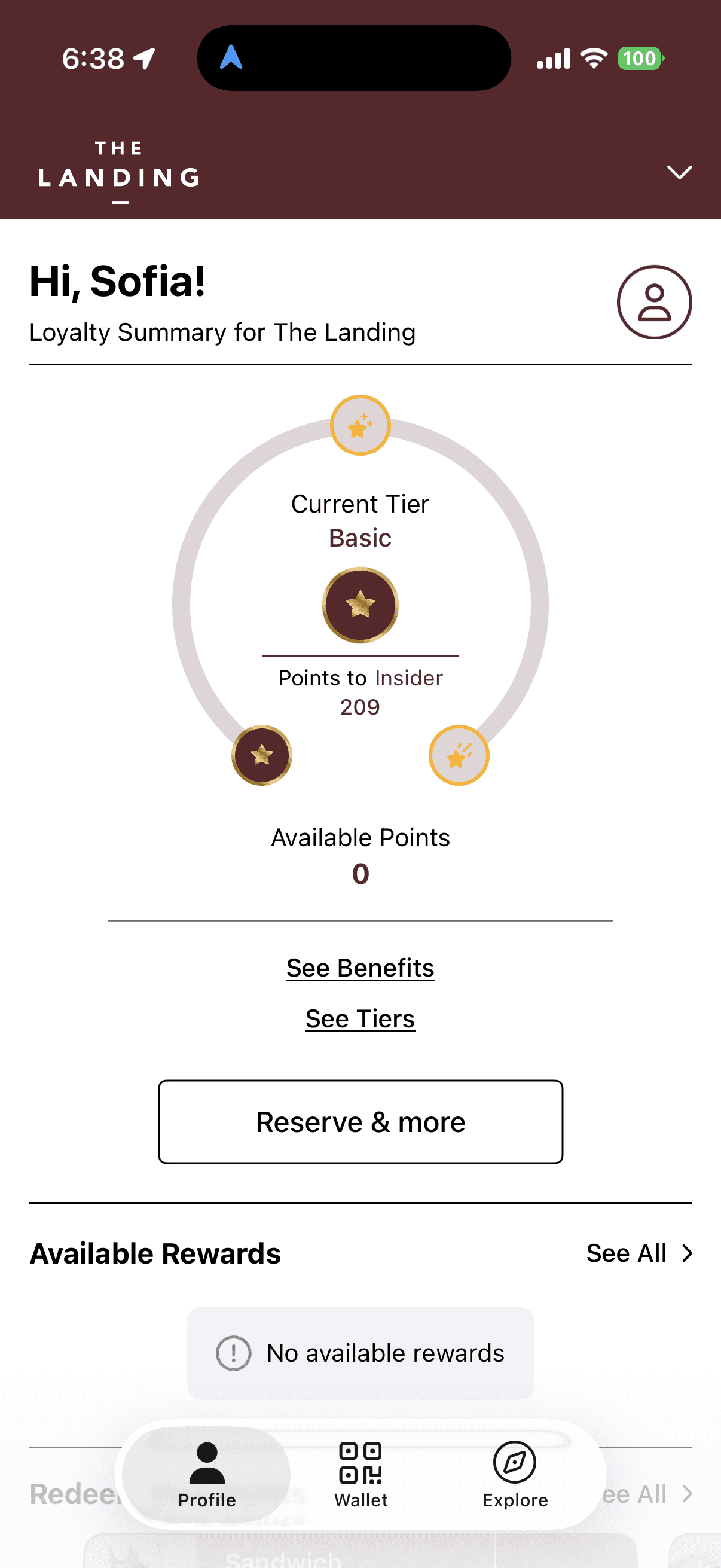
One App, Many Faces
The core decision was figuring out what makes a brand feel like itself inside an app, versus what's just a coat of paint.
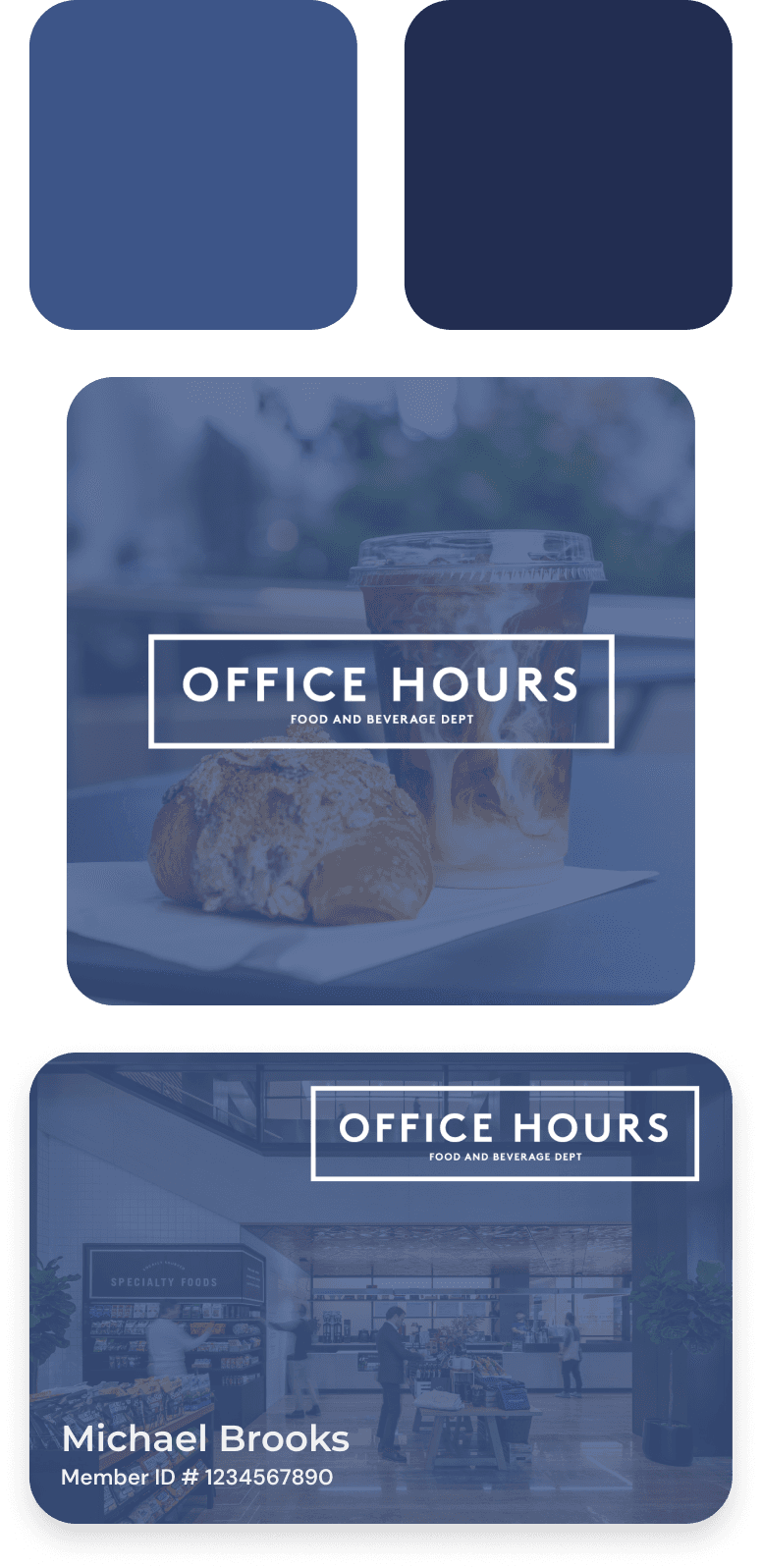
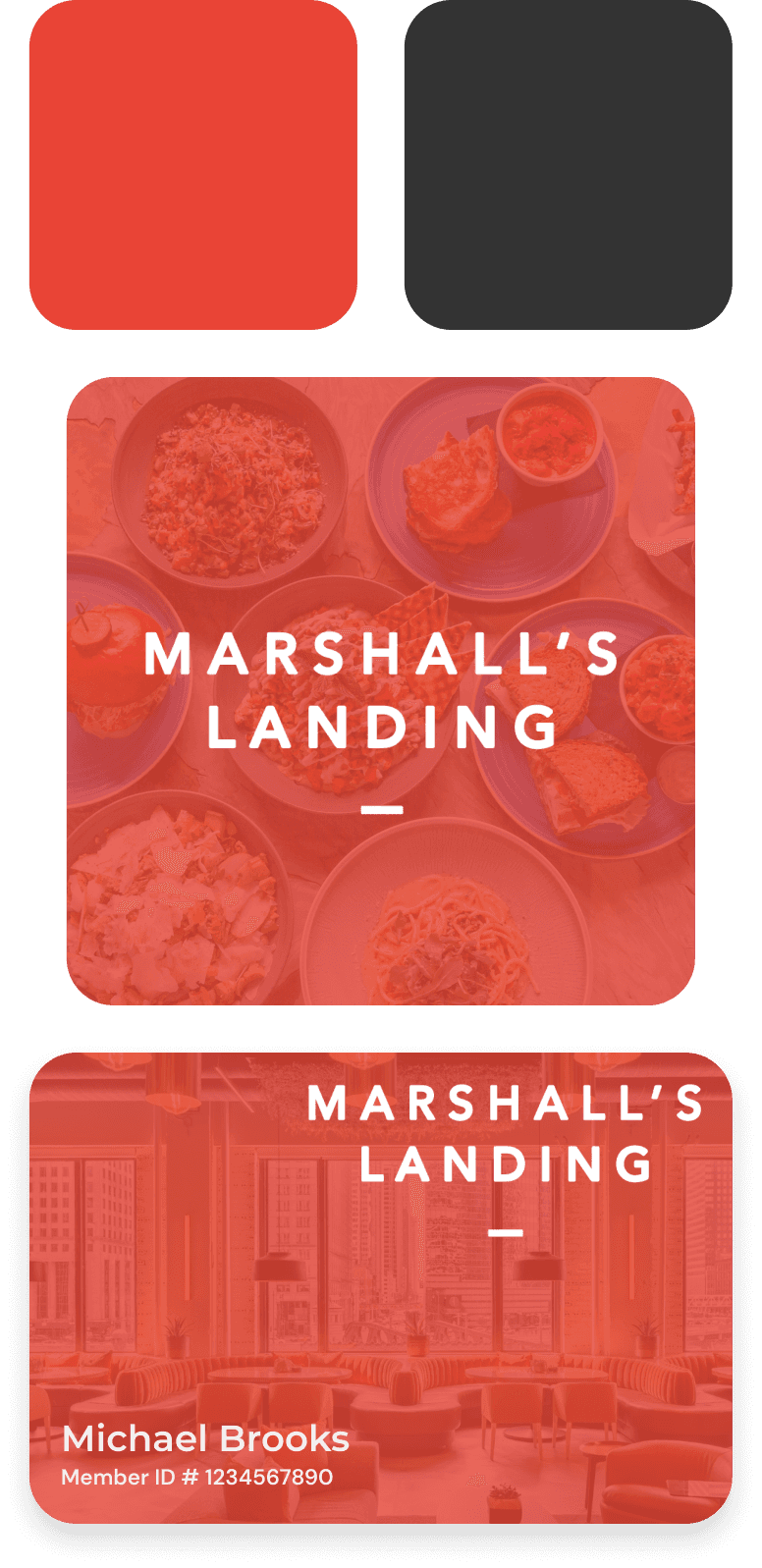
Working with engineering, we landed on five elements per brand:
Primary color — used for hero surfaces, key CTAs, and accent elements
Secondary color — used for supporting surfaces and contrast
Logo — placed in nav, restaurant headers, and the digital loyalty card
Home card image — the photograph that represents this brand on the home screen
Loyalty card image — the photograph featured on the brand's digital loyalty pass
Five tokens. That's the entire definition of a brand in the system. Everything else — typography, layout, components, micro-interactions — stays constant.
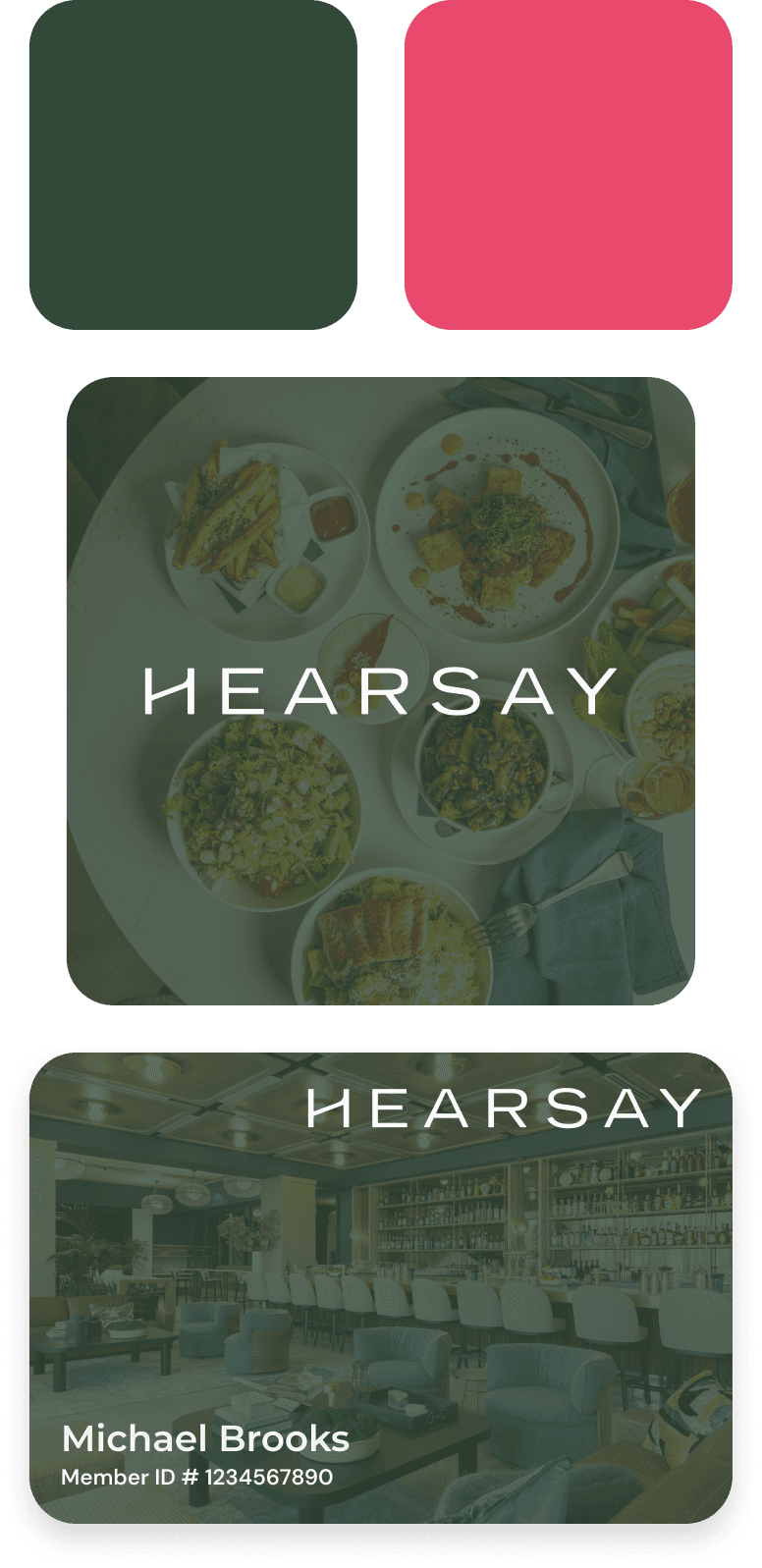
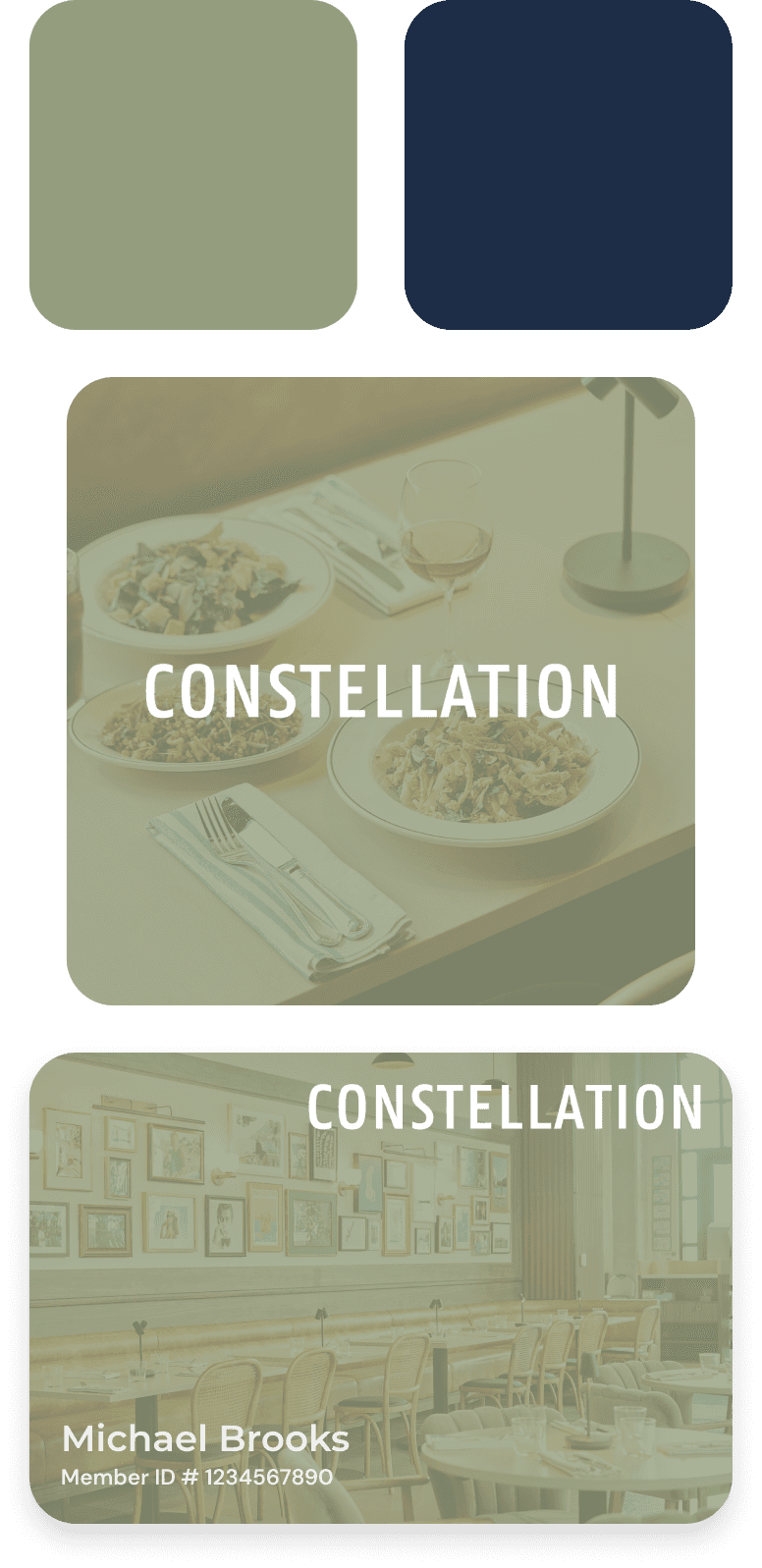
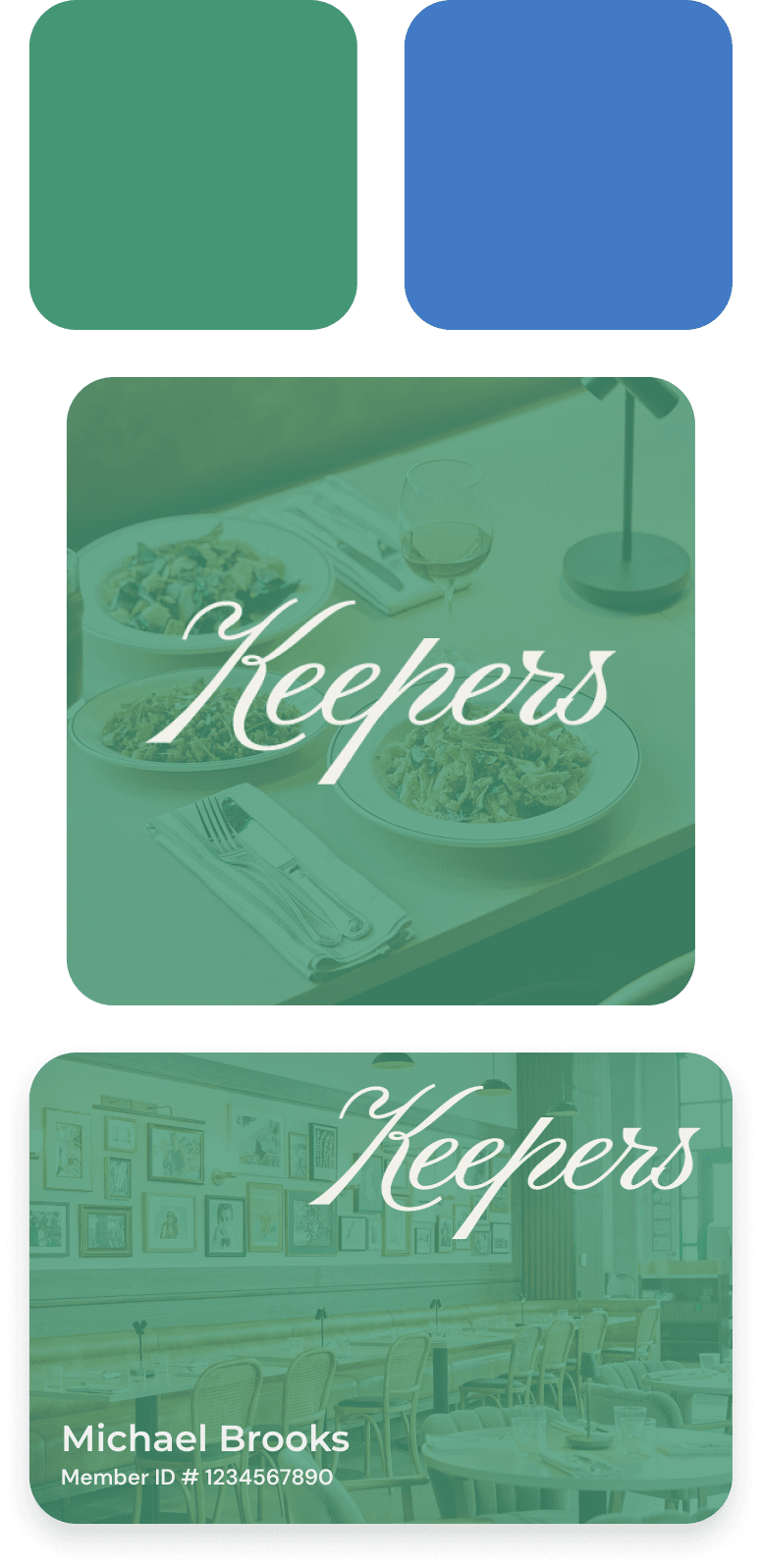
That ratio is the design decision. Most multi-brand systems either go too thin (everything stays the same except the logo, and every brand feels like the same beige product) or too thick (each brand gets bespoke design, and the system can't scale). The five-token system is deliberately in the middle: enough range that each brand feels like itself, restrained enough that adding a tenth or eleventh brand doesn't require a redesign.
The Brand Switcher
The switcher is at the top of every screen. Tap it and the app changes. Photography, accents, the loyalty card in your wallet, the rewards available, the points you've earned at this brand — everything updates to the brand you've selected.
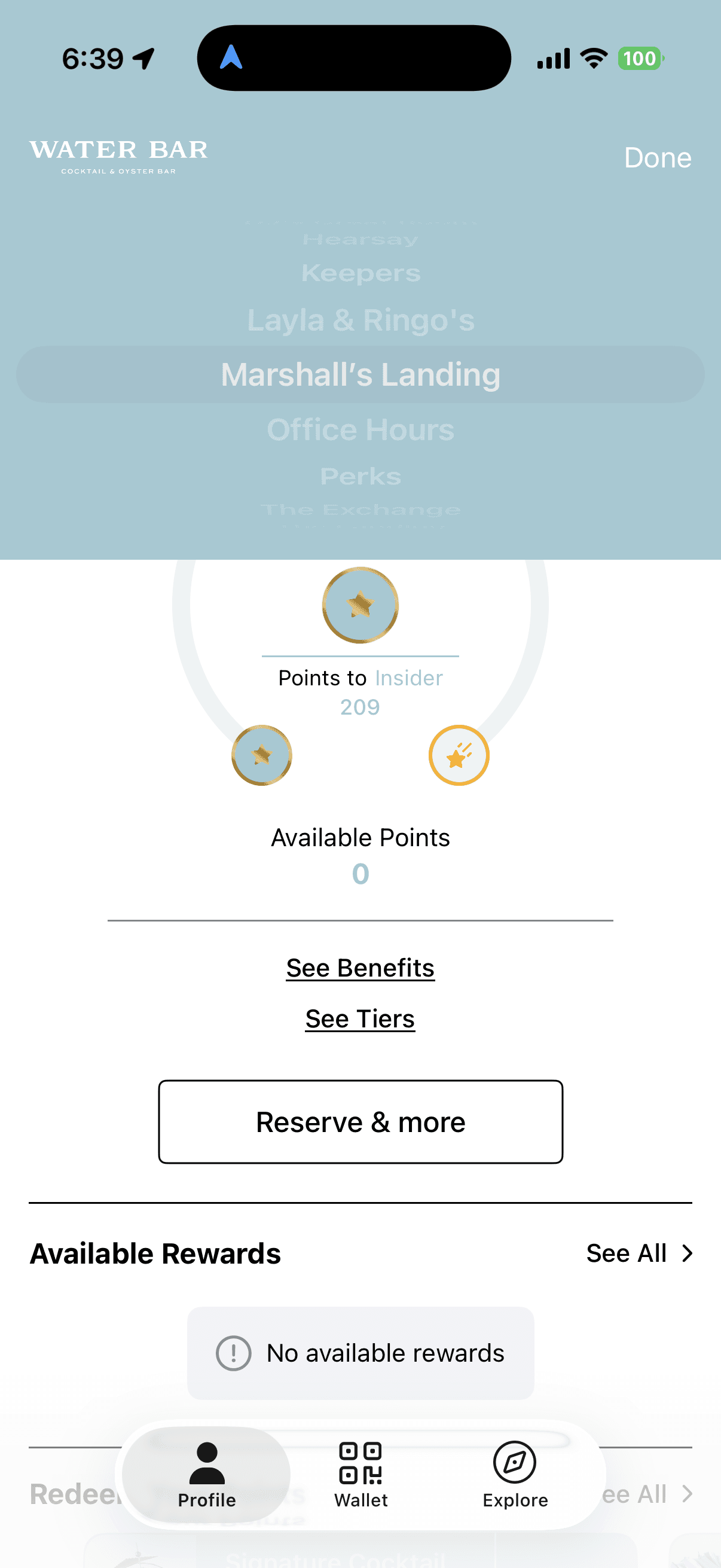
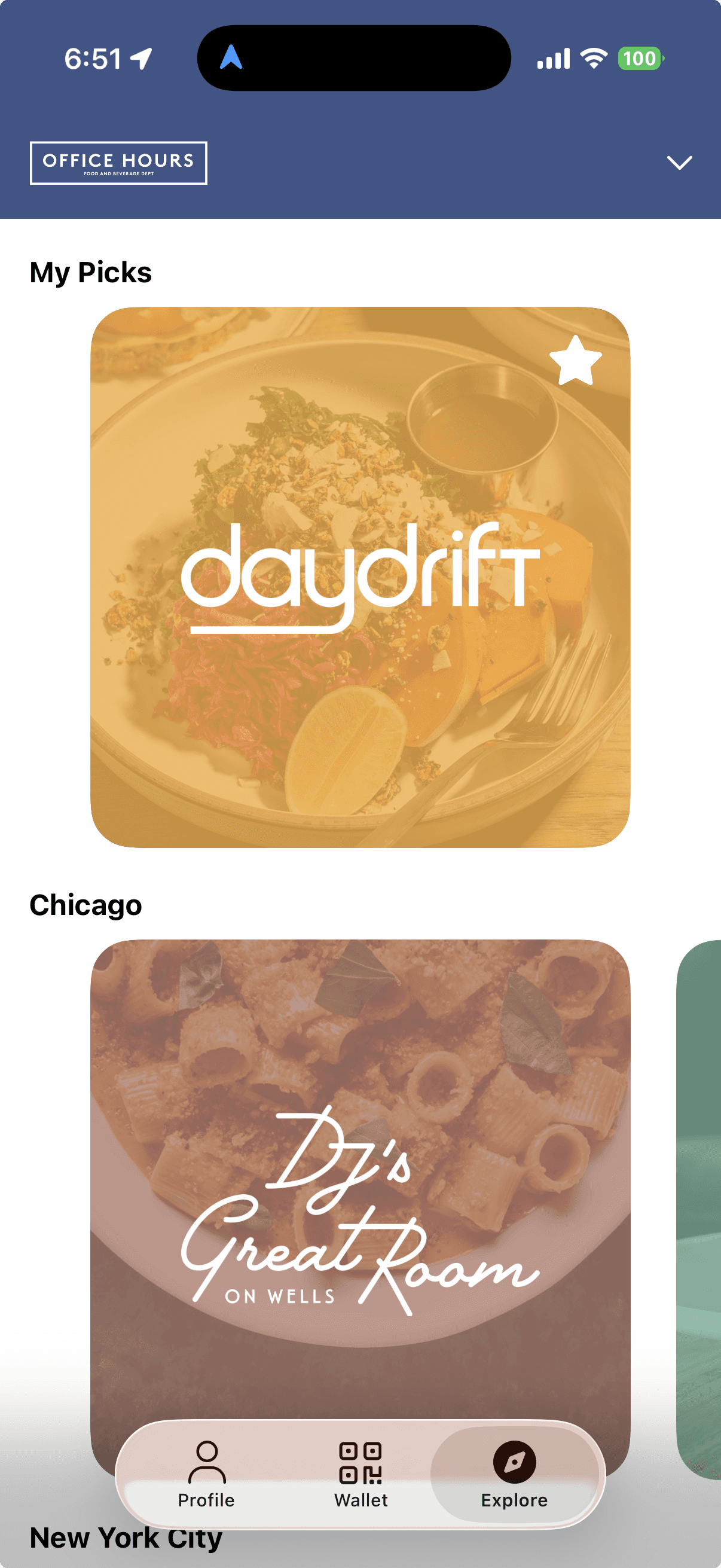
Users land on their preferred brand by default. They can pin favorites to keep them at the top of the list. The switch is one tap, with the rest of the app following along.
The point of the switcher isn't novelty. It's a hard requirement: a guest who frequents three Episcope restaurants doesn't think of themselves as an Episcope customer with three sub-loyalties. They think of themselves as a Hearsay regular and a Marshall's Landing occasional, with two completely separate relationships. The app respects that.
The Explore Tab
The explore tab is editorial, not utilitarian. Each restaurant gets a card with full-bleed photography — pulled directly from the brand's own visual language — and the brand's logo overlaid. No genericized icons, no SaaS-style list view.
Pinning, defaults, and brand discovery all happen here. A guest can see every brand Episcope owns at a glance, mark the ones they care about, and step into any of them with one tap.
Loyalty That Travels Across Brands
Loyalty is the connective tissue. Each brand has its own program, its own points balance, its own tier — but they all live inside the same wallet, with the same digital pass system, the same earning and redemption flows.
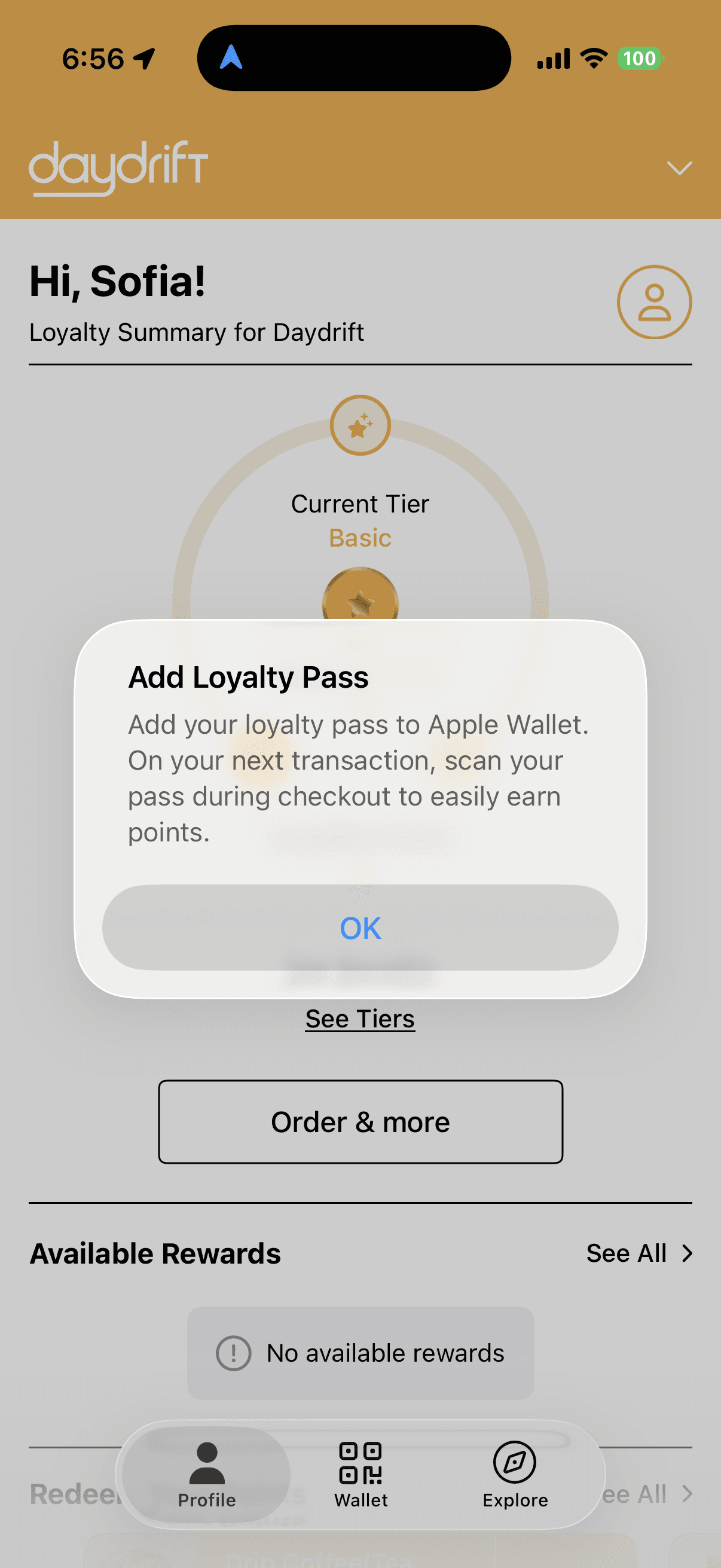
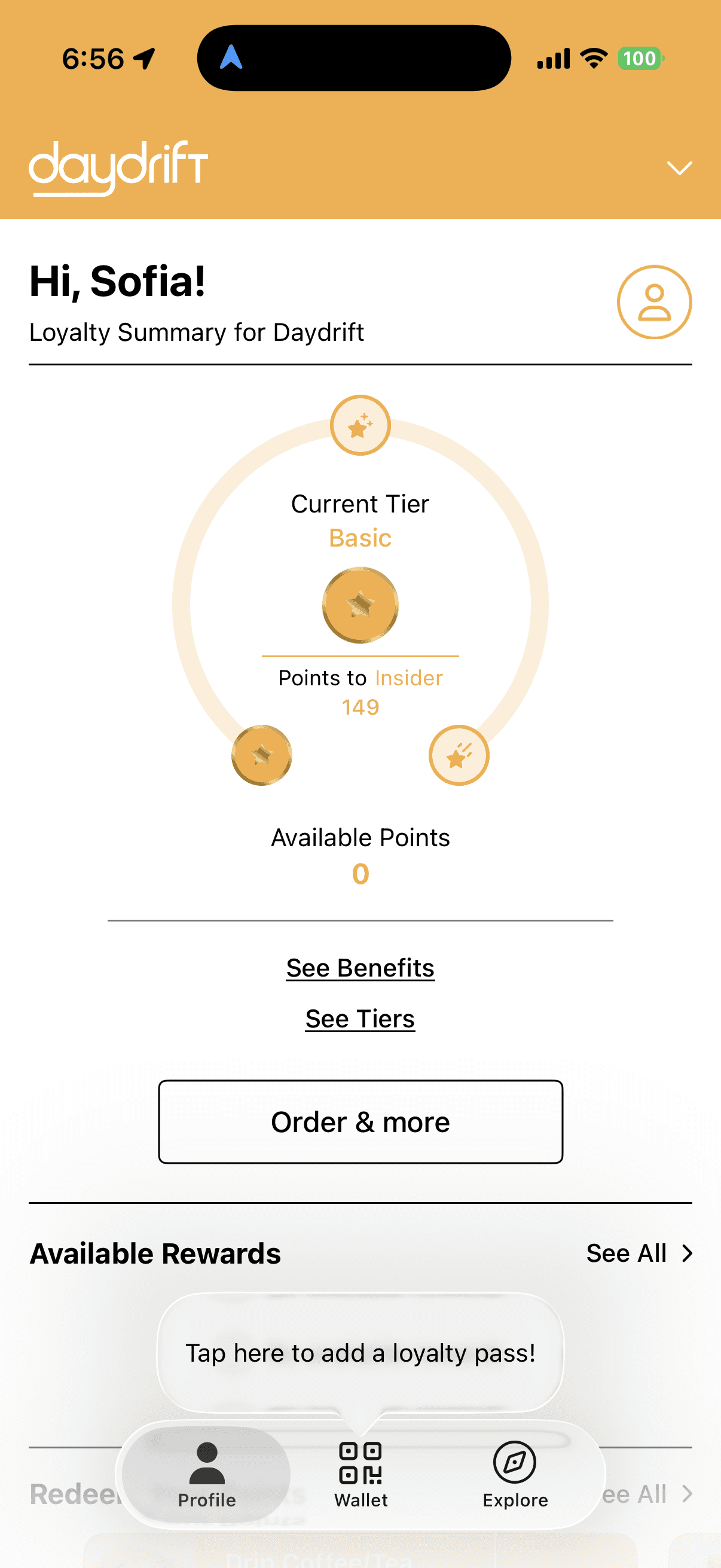
The loyalty card itself is the most explicit place the brand-switching system shows up. Each card uses the brand's photography and color tokens, with a consistent structure: logo at top, member name, current tier, points balance, scannable code. Two brands' loyalty cards look completely different — but they're the same component, wearing different tokens.
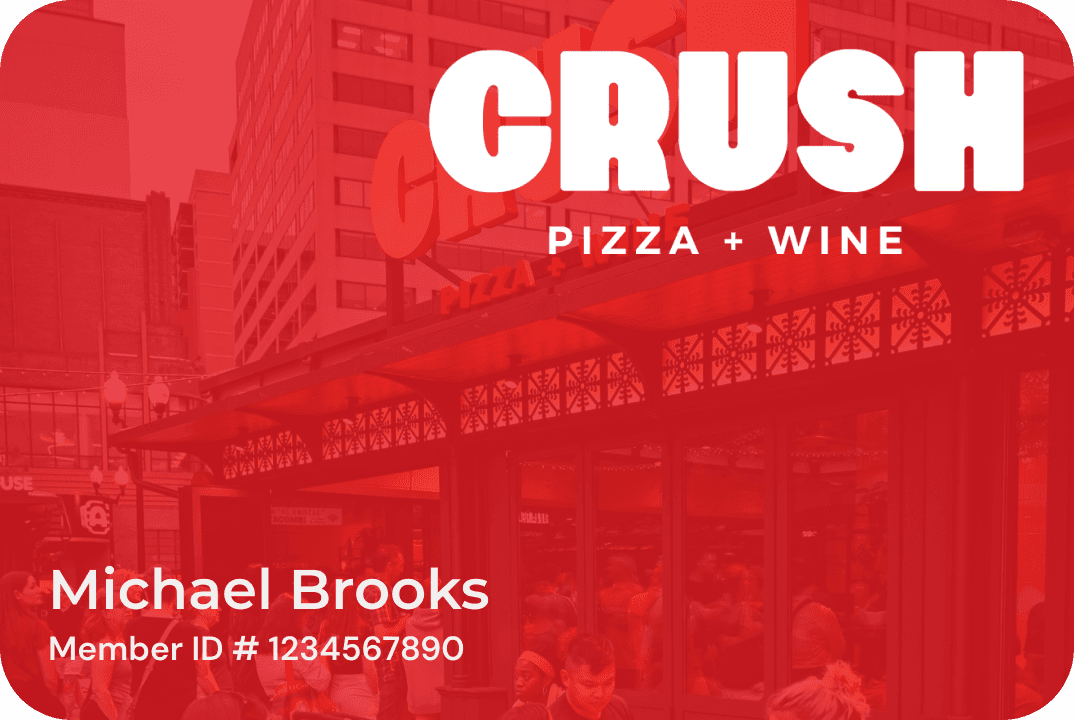
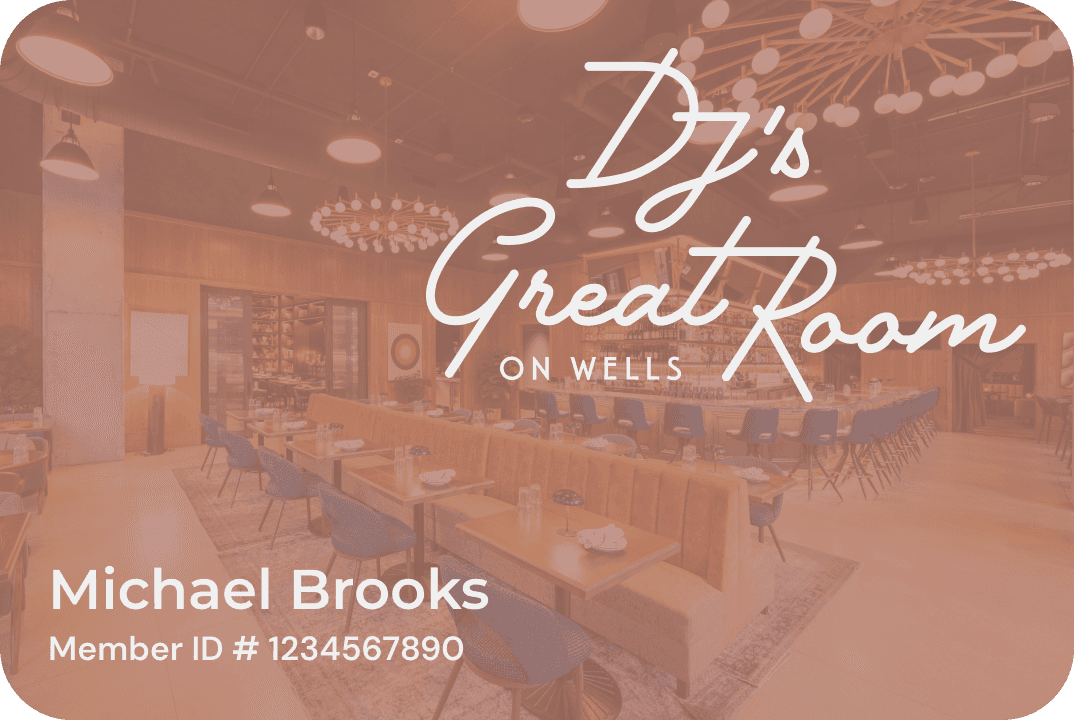
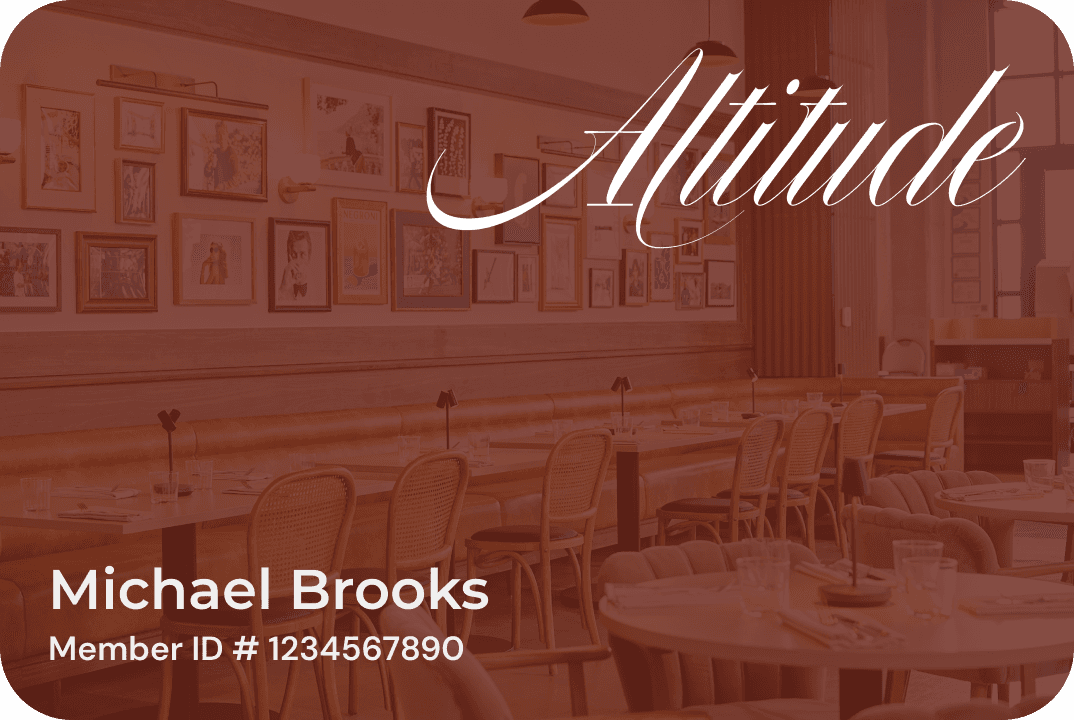
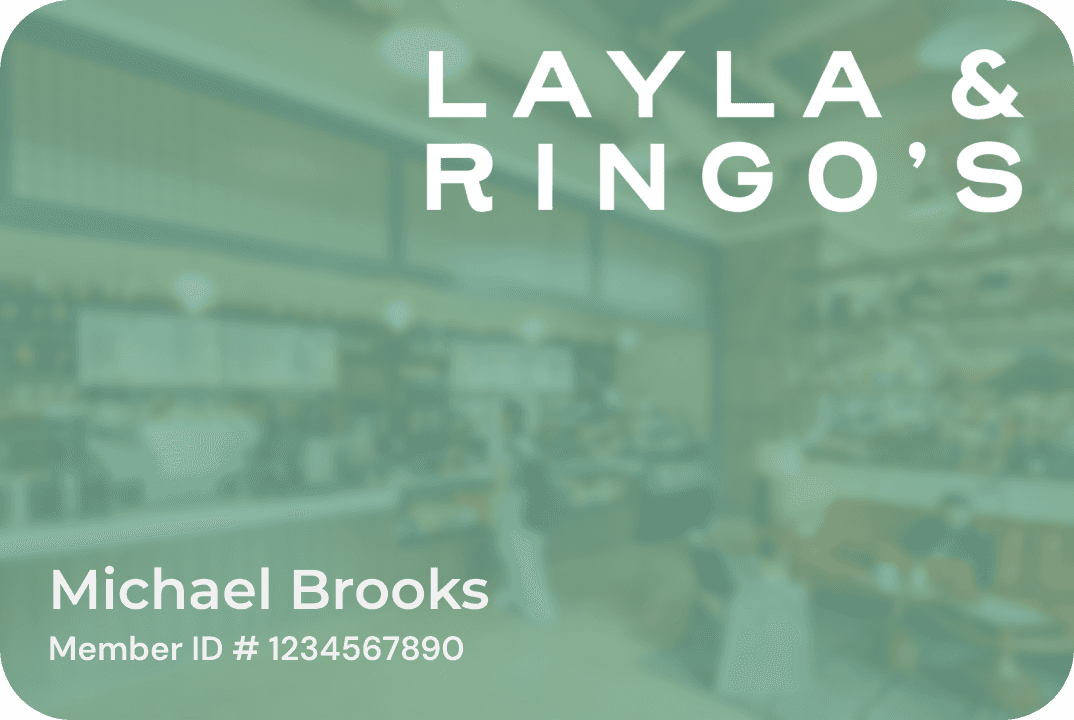
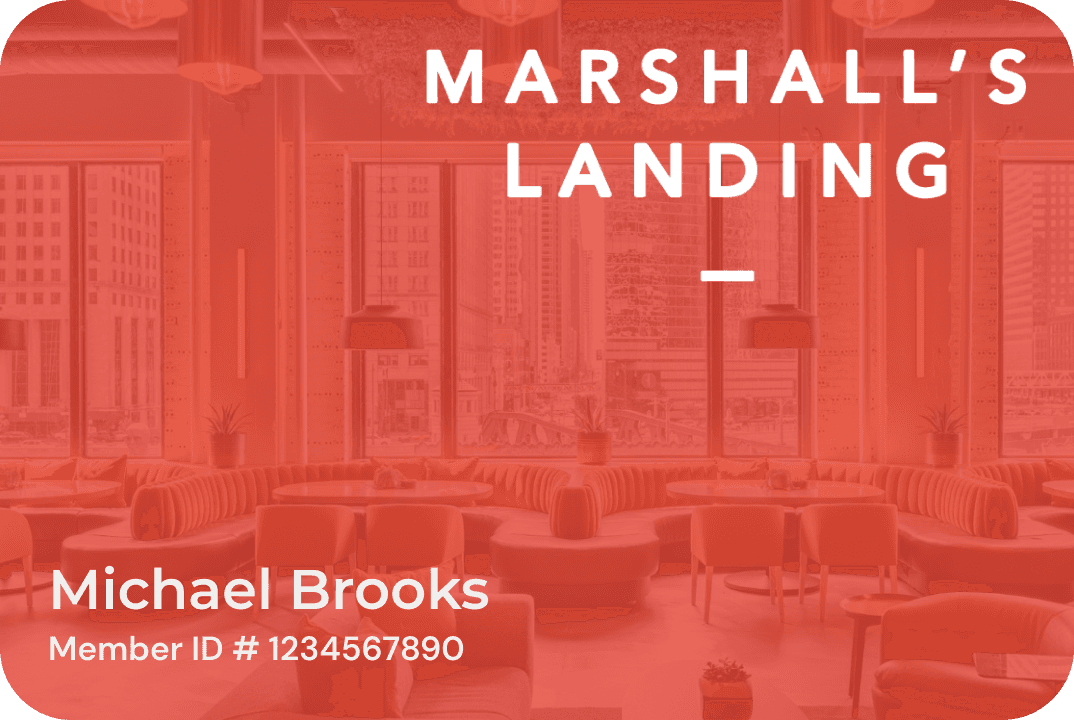
Tiers, when present, use celebratory micro-animations on tier-up. Progress trackers use the brand's primary color. The pass system unifies what would otherwise be a fragmented set of digital loyalty programs into one wallet experience.
Rewards, Onboarding, and the Long Tail
The rewards marketplace inherits the same logic. Browse, redeem, see what's available at this brand right now, all rendered in the active brand's color and photography. Stepping into a new brand replaces the marketplace with that brand's offers.
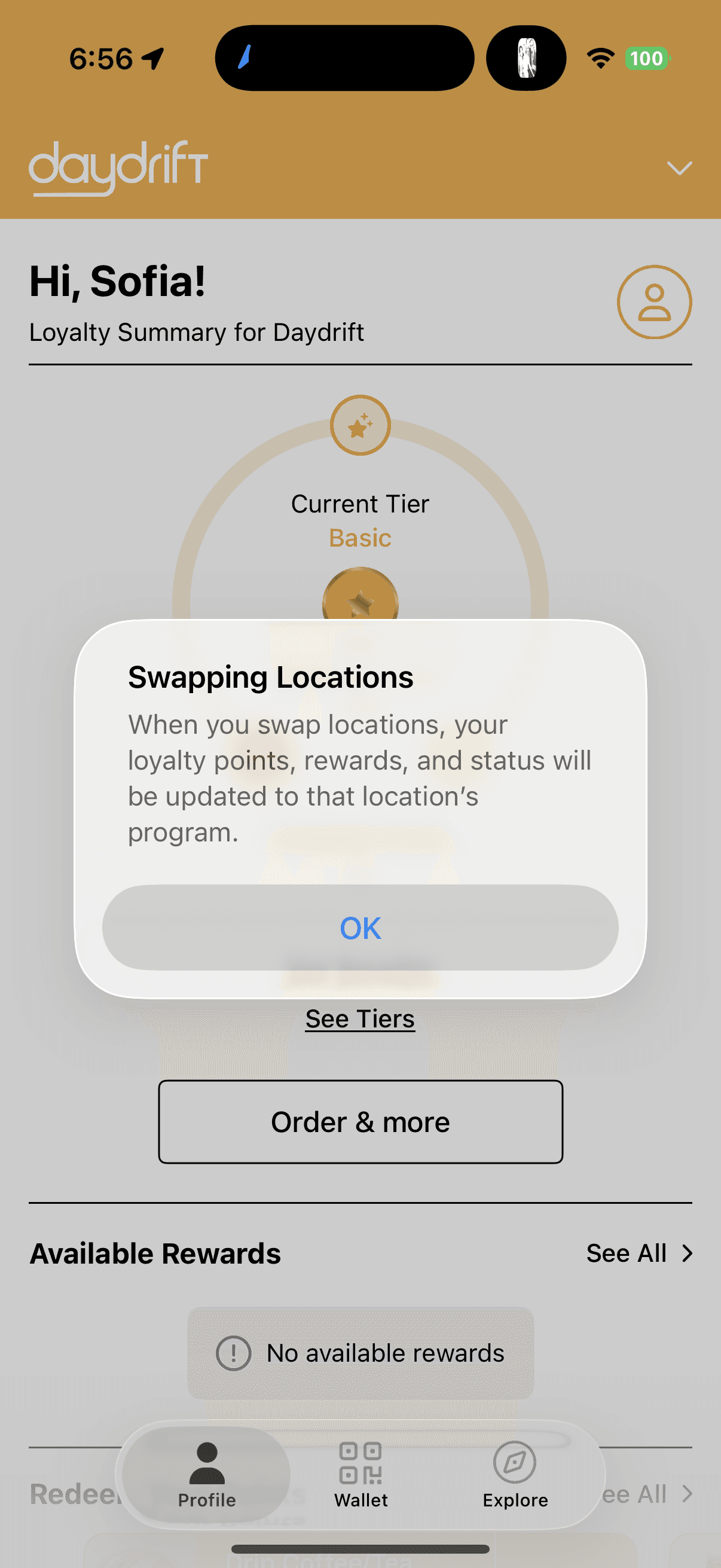
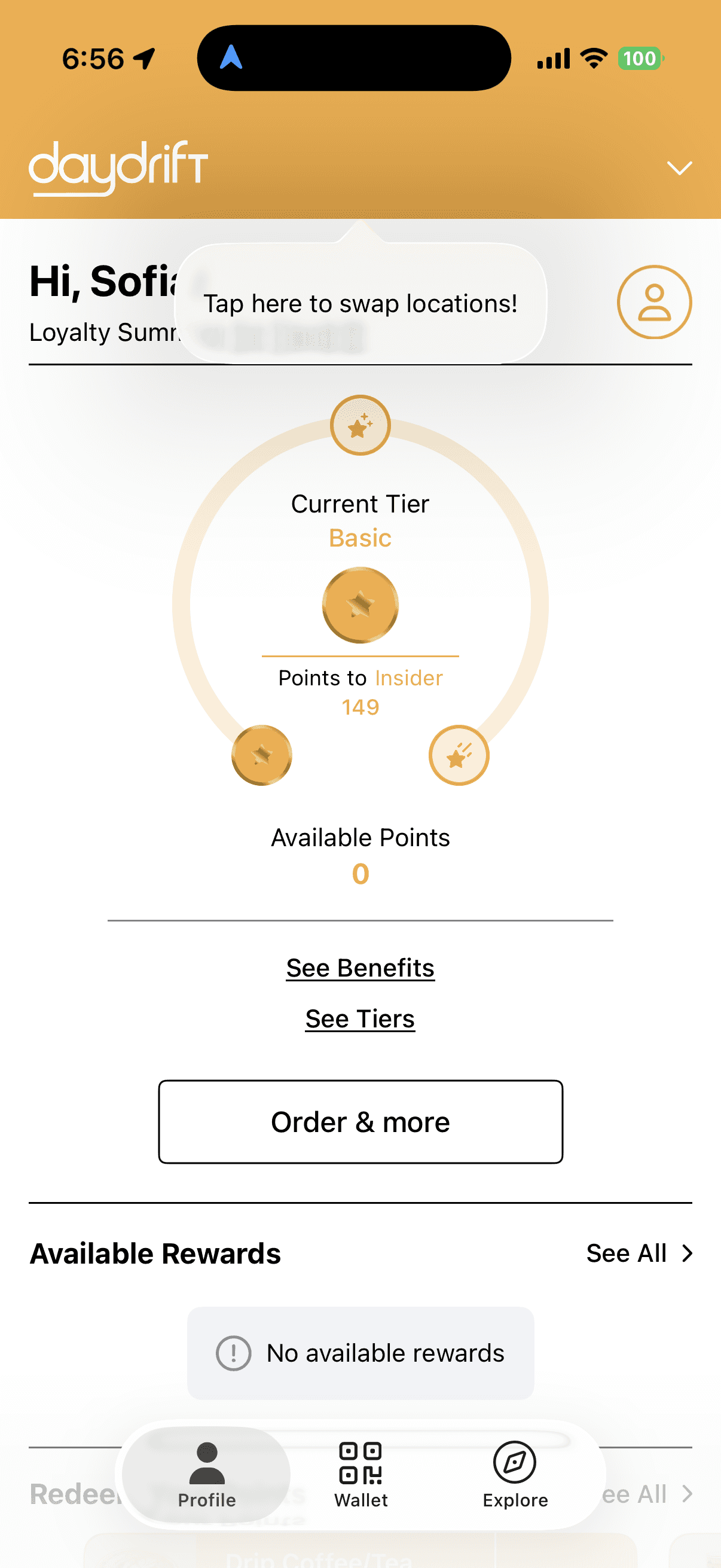
Onboarding had to teach the brand-switching mechanic without making it complicated. The walkthrough shows guests how to switch brand, and how to find their loyalty card — a few short steps, framed against the editorial photography that runs throughout the app.
A Small Thing
There's a hidden detail in the app that I built mostly for myself. It's the kind of thing you only notice if you're paying attention — and the kind of thing that's not on the spec, doesn't move a metric, and doesn't need to exist. But every product I've worked on that I'm proud of has one.
If you find it, that's a good sign.
My Role
Role
Sole product designer
Direction
Founder defined product vision; UX, UI, interaction, character design, and visual design decisions owned by me
Scope
Onboarding, character builder, story generation flow, Luna character (3D → 2D), animation, wait states, library, reader, design system
Platform
iOS (TestFlight beta)
Tools
Figma, Adobe Illustrator, After Effects, Blender
Outcome
The Episcope app shipped to both the App Store and Google Play and is in active use across the company's restaurant portfolio. The five-token brand system supports the eight brands Episcope had at launch and any new brand the company adds with no design work beyond defining the brand's five tokens.
Reflection
The Episcope project taught me that a design system is most useful when its constraints are obvious. Five tokens per brand felt limiting in the abstract — only colors, logo, and two photographs? — but in practice, those five tokens were the right answer.
Adding more variables would have made each brand feel more bespoke, at the cost of making the system harder to maintain and harder for any future brand to enter. Fewer variables would have made every brand feel like the same product. Five was the number that made every brand feel like itself while keeping the system small enough that an engineer could add a new brand in a day.
The lesson generalizes. Multi-tenant design isn't about giving every tenant maximum flexibility. It's about finding the smallest set of variables that captures what each tenant actually needs to feel like themselves — and ruthlessly refusing to add more.